

Essential Features of a Modern Employee Benefits System

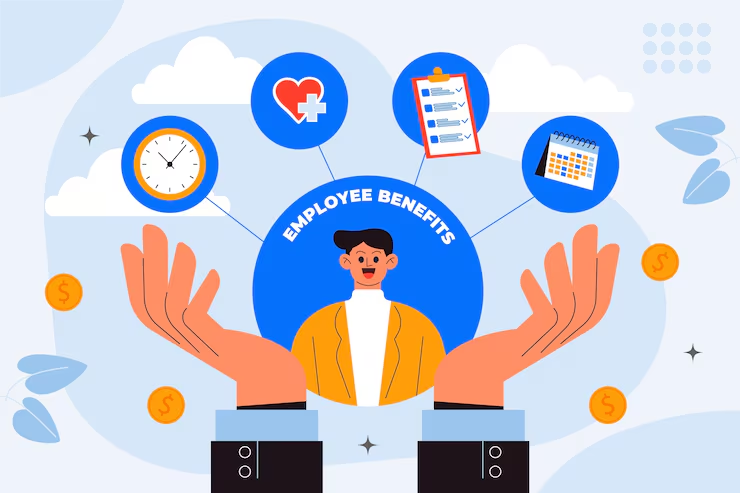
Organizations striving to attract and retain exceptional talent must offer a comprehensive, user-friendly employee benefits system. Employees not only demand robust benefit offerings but also expect the experience of choosing and managing these benefits to be straightforward and transparent. Investing in the right technology and design can transform administrative burdens into a key driver of satisfaction and engagement. Many employers turn to top benefits administration software platforms to deliver this seamless experience at scale, enhancing workplace morale and organizational reputation.
A well-designed benefits system simplifies complex administrative work, empowers employees with knowledge, and provides HR teams with the tools to meet today’s evolving compliance standards.
Intuitive features and mobile accessibility have become standard expectations.
Companies that ignore these requirements risk losing highly qualified professionals and creating frustration among existing staff.
Modern benefits systems go beyond serving as databases or record-keeping tools. They are interactive hubs that foster greater employee engagement, clarify complex plan information, and automate tasks that previously demanded substantial time and effort. As expectations shift, forward-thinking HR leaders must ensure their systems contain all the features today’s workplace needs.
Delivering an enhanced benefits experience helps organizations stand out to job seekers and increases the likelihood that employees will engage fully with all available programs. Efficient software solutions translate directly to real business results.
Intuitive Benefits Enrollment
One of the foundational features of any high-performing benefits platform is an intuitive enrollment process. The best systems present options clearly, allow for side-by-side plan comparisons, and provide real-time premium calculations. Personalized recommendations generated from employee demographics or prior selections help users quickly find the best fit for their needs. For example, platforms that offer visual plan comparisons and guided walkthroughs give employees the confidence to enroll in the plans that work best for them, reducing confusion and stress during open enrollment periods.

Real-Time Benefits Tracking
Employees value the ability to track their benefits and usage in real-time. Modern benefits platforms make key information such as digital insurance cards, deductible spending progress, and coverage details for dependents instantly accessible. Tracking HSA or FSA balances with transparent transaction histories enables employees to manage healthcare costs and avoid unpleasant surprises proactively. This immediate transparency reduces reliance on HR for answers and empowers the workforce.
Comprehensive Benefits Information
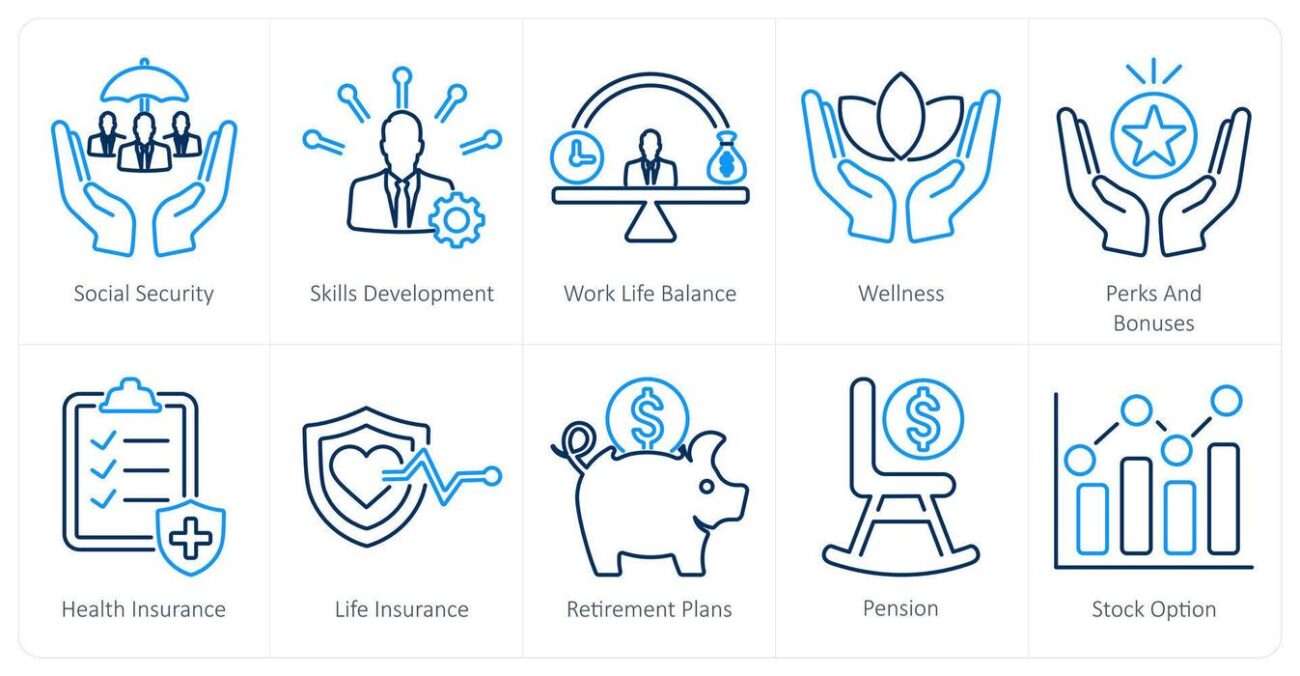
A modern system consolidates detailed information for every available benefit. This includes medical, dental, and vision plans; retirement programs; paid time-off policies; wellness initiatives; and supplemental offerings such as tuition reimbursement or childcare support. Clearly defined eligibility criteria, deadlines, step-by-step enrollment procedures, and easy access to support contacts help employees make informed choices. A robust, well-organized benefits website serves as a critical self-serve hub that employees return to year-round.
Interactive Tools and Resources
Resources such as benefits calculators, dynamic FAQs, chatbots, and explainer videos complement traditional documentation. These interactive tools empower employees to explore scenarios, estimate the cost of care, or receive instant answers outside of normal business hours. Such resources reduce confusion, increase overall benefits literacy, and support employees in taking charge of their well-being.
Additionally, new technologies are emerging that bring even more value to benefits administration. Artificial intelligence and machine learning, for example, are being used to analyze usage trends, anticipate employee needs, and personalize the benefits journey at a deeper level. Organizations that employ these advancements can deliver more tailored communications about plan options or cost-saving opportunities, which, in turn, create higher engagement and satisfaction.
Employee Self-Service Portals
Employee self-service portals enable staff to update personal settings, view pay and deduction information, submit leave requests, and monitor the status of various applications without contacting HR. This autonomy is not just a convenience for employees; it also significantly lowers administrative burdens for HR teams. With more control over their own information, employees gain confidence and satisfaction.
Having a user-friendly portal is especially important for distributed or remote teams, as it ensures consistency and accessibility no matter where employees work. The ability to schedule appointments with benefits counselors, upload required documentation, and receive automated notifications keeps everyone informed and aligned, regardless of time zone or location.
Integration with HR Systems
Today’s organizations often rely on a suite of specialized HR solutions, making integration crucial. Seamless data sharing between benefits systems, payroll, and human resource management software ensures accuracy, eliminates duplicate entry, and enables efficient end-to-end workflows. Tightly integrated platforms reduce the risk of costly errors and create a more unified employee experience across all HR functions. For additional insights into how integration affects HR operations, see this SHRM resource.
Compliance Management
As legislation evolves, keeping benefits offerings in compliance with federal and state laws becomes ever more complex. A first-class system will have features that operate in the background to monitor regulatory updates, send timely alerts, and automate related tax filing or record-keeping requirements. These compliance management capabilities help businesses safeguard against fines, audits, and legal complications while ensuring employees’ benefits are handled with care.
Proactive compliance management includes training modules and up-to-date documentation available to staff and administrators within the system. These built-in educational resources ensure that everyone stays informed on current regulations and best practices.
The ability to generate compliance reports on demand further assists HR departments in maintaining audit readiness and establishing trust with the workforce.
Mobile Accessibility
Modern workforces expect the same seamless, on-the-go access to benefits systems as they experience with other digital tools. Leading platforms offer fully responsive, mobile-accessible portals that enable employees to approve leave requests, upload documentation, and check benefits information from any device. Mobile-first design keeps systems accessible for remote teams and field workers, further increasing engagement and usability. Forbes emphasizes the importance of digital tools in improving employee experience.
Effective benefits administration is no longer optional for companies looking to remain competitive. By prioritizing intuitive design, real-time tracking, interactive resources, and comprehensive self-service features, employers can transform their benefits program into a source of organizational advantage. Adopting powerful technology not only streamlines HR processes but also builds a work environment where employees feel informed, valued, and motivated to stay. As the nature of work continues to evolve, embracing innovation in benefits delivery will be essential for companies seeking lasting success in talent attraction and retention.