

VPN Detection Solutions Using Rich Contextual Traffic Data


VPN usage has changed the way companies manage fraud, account abuse, scraping, ad manipulation, and unauthorized access. Years ago, businesses mainly looked at VPNs as privacy tools used by remote workers or users trying to protect their internet activity. Today, the situation is very different. Fraud groups, account takeover attackers, bonus abusers, fake account farms, and automated bots often rely on VPN infrastructure to hide their real location and identity.
This shift has forced businesses to improve how they identify suspicious traffic. A simple IP blacklist is no longer enough. Attackers rotate IP addresses quickly, rent residential proxies, and combine VPNs with device spoofing tools. Many companies now depend on rich contextual traffic data instead of basic IP matching.
Rich contextual traffic data means analyzing many signals together rather than relying on one indicator. These signals include:
| Traffic Signal | Purpose |
|---|---|
| IP reputation | Detect suspicious networks and abuse history |
| ASN analysis | Identify hosting providers and VPN operators |
| Device fingerprinting | Recognize repeated devices behind rotating IPs |
| DNS behavior | Detect traffic routing anomalies |
| TLS fingerprinting | Identify software and traffic signatures |
| Geolocation consistency | Compare user behavior against claimed location |
| Session timing | Detect automation patterns |
| Browser entropy | Measure uniqueness and spoofing attempts |
| Packet metadata | Analyze traffic structure and anomalies |
| User behavior patterns | Detect scripted or coordinated actions |
Companies that fail to build advanced VPN detection systems often face major financial losses. These losses can include:
- Fake account registrations
- Chargeback fraud
- Advertising abuse
- Credential stuffing attacks
- Loyalty program exploitation
- Unauthorized content access
- Scraping and inventory theft
- Regional licensing violations
A streaming platform, for example, may lose licensing control when users bypass geographic restrictions. A fintech company may face account takeover attacks coming from anonymized traffic. An online marketplace may experience coupon abuse from users repeatedly creating new accounts through VPN services.
The modern internet has made identity verification harder than ever. IP addresses alone no longer represent real identity. This is why contextual analysis has become one of the strongest tools in security operations.
What Makes Contextual Traffic Analysis More Effective
Older VPN detection systems focused heavily on static databases. If an IP matched a known VPN provider, the request was flagged. This method still has value, but attackers adapted quickly.
Modern systems combine live intelligence and behavioral analysis.
| Traditional Detection | Contextual Detection |
| Static IP lists | Real-time behavioral analysis |
| Single-factor checks | Multi-layered signal correlation |
| Limited device visibility | Cross-session device tracking |
| Basic location checks | Deep geolocation consistency analysis |
| Manual updates | Automated machine learning models |
| Easy to bypass | Harder to evade at scale |
One major advantage of contextual systems is resilience. Attackers may hide one signal successfully, but hiding dozens of signals at the same time becomes difficult.
For example:
- A user may spoof their IP location
- But their browser timezone remains different
- Their DNS requests leak another region
- Their typing speed resembles automated scripts
- Their TLS fingerprint matches known bot frameworks
- Their session behavior looks abnormal
Each signal alone may appear harmless. Together, they reveal risk.
The Growing Connection Between VPN Usage and Fraud Operations
Many legitimate users depend on VPNs for privacy and security. Businesses must understand that VPN traffic itself is not automatically malicious. The challenge is identifying risky behavior hidden behind anonymized infrastructure.
Fraud groups favor VPN services because they reduce attribution risk. Attackers often use multiple layers of anonymity.
A common fraud setup may include:
| Fraud Tool | Purpose |
| VPN service | Hide real IP location |
| Residential proxy | Blend into normal traffic |
| Emulator | Create fake devices |
| Browser anti-detect software | Change browser fingerprints |
| Automation scripts | Scale attacks |
| Disposable emails | Create fake accounts |
| Synthetic identities | Bypass onboarding checks |
This layered approach creates serious problems for businesses.
A gaming platform, for example, may struggle to stop bonus abuse when attackers create thousands of accounts through rotating VPN networks. Traditional IP blocking becomes ineffective because the IP changes constantly.
Many fraud teams now monitor:
- Velocity patterns
- Device reuse
- Traffic consistency
- Mouse movement behavior
- Session depth
- Login timing anomalies
- Request sequencing
These signals provide context beyond the IP address.
VPN Traffic Does Not Always Look the Same
One major mistake companies make is assuming all VPN traffic follows a predictable pattern.
The reality is more complex.
Different VPN categories include:
| VPN Category | Characteristics |
| Commercial VPNs | Shared infrastructure, public ASN visibility |
| Enterprise VPNs | Corporate traffic with stable patterns |
| Residential VPNs | Traffic routed through home devices |
| Mobile VPNs | Carrier-linked anonymization |
| Decentralized VPNs | Peer-to-peer infrastructure |
| Browser-based VPNs | Lightweight proxy masking |
| Obfuscated VPNs | Traffic disguised as standard HTTPS |
Residential VPNs are especially difficult to detect because the traffic originates from consumer internet providers instead of data centers.
Attackers increasingly prefer residential infrastructure because many security systems trust residential traffic more than hosting-provider traffic.
This creates a major challenge for fraud teams.
A residential IP alone no longer means the user is trustworthy.
How Rich Contextual Traffic Data Works in Real Environments
Contextual traffic analysis relies on correlation.
Instead of treating every signal separately, systems combine multiple data sources into a risk profile.
A simplified detection workflow may look like this:
| Detection Layer | Analysis Focus |
| Network intelligence | IP reputation and ASN analysis |
| Device analysis | Browser and hardware fingerprinting |
| Behavioral monitoring | Human versus automated activity |
| Session analysis | Navigation and request structure |
| Historical analysis | Prior abuse patterns |
| Threat intelligence | Known fraud infrastructure |
| Machine learning | Pattern recognition |
These layers produce a combined risk score.
For example:
| Signal | Risk Impact |
| Known VPN ASN | Medium |
| Browser spoofing | High |
| Rapid account creation | High |
| Geolocation mismatch | Medium |
| Bot-like mouse movement | High |
| Repeated failed logins | High |
A platform may tolerate one suspicious signal but block users when multiple signals combine.
This reduces false positives.
False positives remain one of the largest operational risks in VPN detection.
Blocking legitimate users creates:
- Customer frustration
- Revenue loss
- Support burden
- Reputation damage
- Reduced conversion rates
Strong contextual systems aim to separate privacy-focused users from malicious operators.
Device Fingerprinting Has Become a Critical Layer
Device fingerprinting helps businesses recognize devices even when IP addresses change.
Modern fingerprinting systems collect many attributes.
| Fingerprinting Signal | Example |
| Screen resolution | 1920×1080 |
| Browser version | Chrome build details |
| Installed fonts | System-specific identifiers |
| Canvas rendering | GPU rendering behavior |
| Audio stack | Audio processing differences |
| WebGL details | Graphics hardware characteristics |
| Timezone | User regional settings |
| Language preferences | Browser language configuration |
| Hardware concurrency | CPU thread count |
| Memory allocation | Device capability patterns |
When combined, these signals create a probabilistic device identity.
Attackers often try to manipulate fingerprints using anti-detect browsers. However, spoofing introduces inconsistencies.
For example:
- A browser claims to run on macOS
- But rendering patterns resemble Windows
- Timezone settings do not match language configuration
- GPU signatures conflict with reported hardware
These mismatches increase suspicion.
Some advanced detection systems calculate entropy scores.
Entropy measures how unique or inconsistent a device appears.
High entropy can indicate:
- Synthetic environments
- Emulators
- Spoofing frameworks
- Automation tools
- Virtual machines
A useful insight many companies miss is that fraudsters often prioritize scale over perfection.
They may successfully hide some signals but overlook smaller inconsistencies.
Strong systems exploit these operational weaknesses.
Fingerprinting Limitations
Fingerprinting is powerful but imperfect.
Privacy-focused browsers increasingly reduce fingerprint visibility.
Examples include:
| Browser Privacy Feature | Effect |
| Anti-fingerprinting APIs | Reduce device uniqueness |
| Canvas randomization | Hide rendering patterns |
| User-agent reduction | Limit browser exposure |
| Permission restrictions | Reduce accessible metadata |
| Network partitioning | Prevent tracking correlation |
This means detection teams must balance privacy concerns and security requirements carefully.
Aggressive tracking can create legal and compliance issues.
Businesses operating in Europe, for example, must consider GDPR implications when collecting fingerprinting data.
ASN Intelligence Helps Expose VPN Infrastructure
Autonomous System Number analysis remains one of the most effective methods for identifying VPN infrastructure.
An ASN identifies the network owner responsible for IP address ranges.
Many VPN providers operate through hosting companies and cloud environments.
Common indicators include:
| ASN Type | Risk Characteristics |
| Data center networks | Frequently used by VPN providers |
| Cloud infrastructure | Popular for automation attacks |
| Residential ISPs | Harder to classify |
| Mobile carriers | Shared user traffic |
| Educational networks | Mixed trust levels |
A login request coming from a cloud hosting ASN may deserve higher scrutiny than traffic from a consumer ISP.
However, attackers increasingly abuse residential proxy networks to avoid ASN-based detection.
This has pushed companies toward layered intelligence.
A useful operational strategy is maintaining dynamic ASN risk scoring.
Instead of assigning permanent trust values, businesses update risk scores based on:
- Abuse frequency
- Historical fraud volume
- Velocity spikes
- Bot activity
- Credential stuffing incidents
- Chargeback patterns
This adaptive approach improves accuracy.
VPN Providers Constantly Rotate Infrastructure
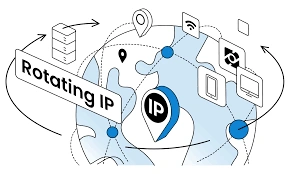
One reason static ASN blocking fails is infrastructure rotation.
VPN companies continuously add:
- New servers
- New cloud providers
- New IP ranges
- New routing strategies
Attackers also exploit temporary infrastructure.
A fraud operation may:
- Rent cloud servers briefly
- Launch attacks
- Discard infrastructure quickly
- Rebuild elsewhere
This creates short-lived detection windows.
Real-time intelligence feeds help reduce this problem.
Many security platforms now track:
| Intelligence Feed Type | Purpose |
| Real-time VPN databases | Identify active providers |
| Threat-sharing networks | Exchange abuse intelligence |
| Botnet tracking feeds | Detect malicious infrastructure |
| Dark web monitoring | Identify leaked attack tools |
| Traffic anomaly systems | Detect sudden behavior shifts |
Static defenses alone are no longer enough.
TLS Fingerprinting Reveals Hidden Traffic Clues

Transport Layer Security fingerprinting has become a major tool for advanced detection teams.
TLS fingerprints identify how software establishes encrypted connections.
Different applications and browsers generate distinct TLS patterns.
This means detection systems can often identify:
- Browsers
- Automation tools
- VPN clients
- Malware frameworks
- Bot software
A TLS fingerprint may reveal inconsistencies.
For example:
| Reported Identity | Actual TLS Behavior |
| Chrome browser | Python automation library |
| Safari browser | Headless browser framework |
| Mobile device | Linux server environment |
These mismatches expose hidden automation.
TLS analysis is especially useful because many attackers focus heavily on browser-level spoofing while ignoring lower-level network signatures.
JA3 and JA4 Fingerprinting
JA3 fingerprinting became widely used for identifying TLS clients.
JA4 expanded these capabilities further.
These techniques analyze:
- Cipher suites
- TLS extensions
- Protocol ordering
- Handshake structure
This creates repeatable fingerprints.
Security teams often use TLS fingerprints to:
| Use Case | Benefit |
| Bot detection | Identify scripted traffic |
| Malware identification | Detect known attack tools |
| VPN classification | Recognize client software |
| Threat hunting | Track attacker infrastructure |
| Session correlation | Connect distributed activity |
TLS fingerprinting is not perfect.
Sophisticated attackers can mimic legitimate fingerprints.
However, large-scale fraud operations often fail to maintain perfect consistency across all traffic layers.
That inconsistency creates detection opportunities.
DNS Analysis Exposes Routing Anomalies
DNS behavior often reveals hidden details about traffic origin.
When users connect through VPNs, DNS requests may behave differently from normal consumer traffic.
Detection systems analyze:
| DNS Signal | Detection Value |
| Resolver location | Compare against user IP |
| DNS timing | Identify tunneling behavior |
| Query patterns | Detect automation |
| Resolver reputation | Identify suspicious providers |
| Leak analysis | Detect hidden geographic origin |
A user may appear to connect from Germany while their DNS requests consistently resolve through another country.
This mismatch raises risk.
DNS leaks remain surprisingly common.
Even advanced attackers sometimes overlook:
- IPv6 leaks
- WebRTC leaks
- Resolver inconsistencies
- Mobile DNS behavior
Security teams often combine DNS analysis with browser telemetry to strengthen confidence.
DNS Over HTTPS Complicates Visibility
Encrypted DNS protocols reduce visibility.
Technologies such as:
- DNS over HTTPS
- DNS over TLS
- Encrypted SNI
make traditional inspection harder.
This forces companies to depend more heavily on endpoint telemetry and behavioral analysis.
The broader trend is clear.
As traffic encryption increases, contextual intelligence becomes more important.
Behavioral Analytics Often Detects What Network Analysis Misses
Behavioral analysis focuses on how users interact with systems.
This area has grown rapidly because attackers can spoof technical indicators more easily than human behavior.
Examples of monitored behavior include:
| Behavioral Signal | Detection Goal |
| Mouse movement | Distinguish humans from bots |
| Typing cadence | Identify automation |
| Navigation flow | Detect scripted actions |
| Session duration | Find abnormal patterns |
| Click timing | Detect coordinated attacks |
| Scroll behavior | Measure real engagement |
| Input correction patterns | Identify human mistakes |
Human behavior tends to contain randomness.
Automated systems often appear too perfect or too repetitive.
For example:
- A bot may move instantly between fields
- Click intervals may remain mathematically consistent
- Page navigation may follow identical sequences
- Account creation timing may appear machine-driven
Behavioral analysis becomes especially valuable when VPN users blend into residential traffic.
Fraud Groups Now Simulate Human Behavior
Advanced fraud systems increasingly simulate:
- Mouse movements
- Delayed typing
- Randomized clicks
- Session pauses
- Scrolling behavior
This creates an arms race.
However, large-scale automation often struggles with realism.
Synthetic behavior usually lacks:
- Natural hesitation
- Real distraction patterns
- Human inconsistency
- Context-aware interactions
Detection teams use machine learning to identify subtle differences.
Even realistic bots may reveal themselves through long-term patterns.
Machine Learning Has Changed VPN Detection Systems
Traditional rule-based systems struggle against rapidly changing attack patterns.
Machine learning models improve detection by identifying relationships humans may overlook.
These models analyze:
| Data Source | Machine Learning Purpose |
| Login history | Detect anomalies |
| Device behavior | Recognize repeat offenders |
| Transaction patterns | Identify fraud risk |
| Session telemetry | Detect automation |
| IP intelligence | Predict suspicious traffic |
| User interaction metrics | Separate bots from humans |
Machine learning systems continuously adapt.
For example:
- A new VPN provider appears
- Fraud activity rises rapidly from that network
- The model adjusts risk scoring automatically
This creates faster response cycles.
Supervised and Unsupervised Models
VPN detection platforms often combine different learning methods.
| Model Type | Purpose |
| Supervised learning | Train on known fraud patterns |
| Unsupervised learning | Detect unknown anomalies |
| Reinforcement learning | Improve response accuracy |
| Graph analysis | Identify connected abuse networks |
Graph analysis has become particularly important.
Fraud operations rarely exist in isolation.
Attackers reuse:
- Devices
- Credentials
- Infrastructure
- Behavioral templates
- Payment methods
Graph systems connect these relationships.
A fraud ring may appear unrelated at first glance. However, shared contextual signals often reveal coordination.
Machine Learning Still Has Weaknesses
Many companies overestimate AI capabilities.
Machine learning models can fail because of:
- Poor training data
- Bias problems
- False positive escalation
- Overfitting
- Limited visibility
- Adversarial manipulation
Attackers also study detection systems.
Some fraud groups intentionally test:
- Risk thresholds
- Rate limits
- Behavioral tolerances
- Fingerprinting responses
Security teams must constantly retrain models.
Static machine learning eventually becomes outdated.
Residential Proxies Have Changed the Threat Landscape
Residential proxy networks have become one of the biggest problems in VPN detection.
Unlike traditional VPN servers, residential proxies route traffic through real consumer devices.
This makes the traffic appear legitimate.
Many fraud operations now prefer residential infrastructure because:
| Advantage | Why Attackers Prefer It |
| Trusted ISP ranges | Less likely to be blocked |
| Geographic diversity | Easier location spoofing |
| Higher success rates | Reduced detection |
| Dynamic IP rotation | Harder tracking |
| Blended traffic | Mimics real users |
Some residential proxy providers build networks through:
- Browser extensions
- Mobile apps
- SDK integrations
- Peer-to-peer routing systems
In some cases, users unknowingly share bandwidth.
Why Residential Traffic Is Harder to Score
Traditional fraud systems often treat residential IPs as low risk.
This assumption is increasingly dangerous.
A residential IP may still represent:
- Automated attacks
- Account farming
- Fake signups
- Scraping operations
- Credential stuffing
This forces businesses to depend more heavily on contextual analysis instead of simple IP classification.
Strong systems evaluate:
| Contextual Layer | Example Insight |
| Device consistency | Same device across rotating IPs |
| Behavioral similarity | Coordinated automation patterns |
| Session velocity | Rapid activity spikes |
| Historical fraud linkage | Previous abuse activity |
| Navigation anomalies | Scripted interaction flows |
Residential traffic alone no longer guarantees trust.
Streaming Platforms Face Unique VPN Detection Challenges
Streaming services represent one of the largest markets for VPN detection.
Licensing agreements often restrict content by region.
Users bypass these restrictions using VPNs.
Platforms attempt to identify:
- Commercial VPN services
- Proxy networks
- Smart DNS systems
- Residential proxies
- Shared account abuse
A streaming provider may compare:
| Signal | Detection Purpose |
| Account country | Compare with connection source |
| Device history | Detect impossible travel |
| DNS routing | Identify location masking |
| Payment region | Validate geography |
| Session switching | Detect proxy hopping |
One difficult challenge is balancing enforcement and customer satisfaction.
Aggressive VPN blocking may:
- Affect travelers
- Impact remote workers
- Block privacy-focused users
- Trigger subscription cancellations
Some streaming companies therefore use soft enforcement.
Instead of banning users immediately, they may:
- Limit content access
- Request verification
- Trigger additional checks
- Reduce streaming quality temporarily
Smart DNS Services Complicate Detection
Smart DNS systems reroute only certain traffic instead of tunneling all data.
This creates fewer detection signals.
A user may appear geographically normal while selectively bypassing restrictions.
Detection teams often rely on:
- DNS consistency checks
- Latency analysis
- Regional service mapping
- Session telemetry
The challenge is ongoing because bypass services evolve continuously.
Financial Platforms Use Risk-Based VPN Detection
Banks and fintech platforms cannot simply block all VPN users.
Many customers use VPNs legitimately.
Instead, financial institutions apply risk-based authentication.
This means VPN detection becomes one factor among many.
A bank may evaluate:
| Risk Factor | Security Meaning |
| New device | Increased uncertainty |
| VPN traffic | Moderate risk |
| High-value transfer | Elevated fraud exposure |
| Failed login attempts | Potential account takeover |
| Geolocation mismatch | Suspicious activity |
| Behavioral deviation | Identity inconsistency |
If the combined risk becomes too high, the platform may require:
- Multi-factor authentication
- Biometric verification
- Transaction delays
- Manual review
This layered approach improves customer experience.
Account Takeover Attacks Frequently Use VPNs
Credential stuffing attacks commonly rely on VPN infrastructure.
Attackers rotate IPs to avoid rate limits.
A typical attack workflow may involve:
| Attack Step | Purpose |
| Credential purchase | Obtain leaked passwords |
| VPN rotation | Hide attacker identity |
| Automated login attempts | Test credentials |
| Device spoofing | Avoid fingerprint tracking |
| Account monetization | Extract value quickly |
Banks increasingly depend on contextual analysis to stop these attacks.
Simple password protection is no longer enough.
E-Commerce Companies Depend on VPN Detection for Fraud Prevention
Online stores face many forms of abuse connected to anonymized traffic.
Common examples include:
- Coupon abuse
- Refund fraud
- Fake reviews
- Scalping bots
- Inventory scraping
- Account farming
- Payment fraud
VPNs help attackers avoid identity correlation.
An attacker may repeatedly create new accounts through rotating IP infrastructure.
E-commerce platforms often monitor:
| Detection Area | Example |
| Purchase velocity | Rapid checkout behavior |
| Cart manipulation | Automated stock monitoring |
| Device reuse | Multiple accounts from same device |
| Geographic inconsistency | Payment and IP mismatch |
| Browser anomalies | Automation frameworks |
Scalping operations represent a growing issue.
Automated buyers use VPNs and proxies to bypass purchase limits.
This affects:
- Sneakers
- Electronics
- Concert tickets
- Gaming consoles
- Collectibles
Retailers increasingly combine:
- Bot management systems
- Device fingerprinting
- CAPTCHA systems
- Behavioral analysis
- Queue management
No single defense works alone.
CAPTCHA Alone Is No Longer Enough
Many businesses still rely heavily on CAPTCHA challenges.
This is increasingly ineffective.
Modern attackers solve CAPTCHAs using:
| Bypass Method | Description |
| CAPTCHA farms | Human solving services |
| AI recognition | Automated image solving |
| Session hijacking | Reuse valid tokens |
| Browser automation | Simulate interaction |
CAPTCHA fatigue also harms legitimate users.
Excessive challenges reduce:
- Conversion rates
- User satisfaction
- Accessibility
- Mobile usability
Advanced platforms now trigger CAPTCHA selectively based on contextual risk.
For example:
- Low-risk sessions proceed normally
- Medium-risk sessions receive friction
- High-risk sessions face blocking or verification
This adaptive approach improves user experience.
Real-Time Threat Intelligence Improves Detection Speed
Static security systems react too slowly.
Threat intelligence feeds provide faster visibility into emerging infrastructure.
Security teams often consume:
| Intelligence Source | Purpose |
| VPN IP databases | Identify anonymized networks |
| Botnet feeds | Detect malicious hosts |
| Fraud consortium data | Share abuse indicators |
| Malware telemetry | Connect attacker infrastructure |
| DNS intelligence | Track suspicious routing |
Shared intelligence helps organizations identify:
- New VPN providers
- Emerging fraud campaigns
- Compromised residential devices
- Automation frameworks
However, intelligence feeds also create challenges.
Poor-quality feeds may generate:
- False positives
- Outdated indicators
- Inconsistent classifications
Security teams must validate data quality carefully.
Privacy Concerns Continue to Shape VPN Detection
VPN detection raises serious privacy questions.
Users increasingly expect:
- Data protection
- Tracking transparency
- Limited surveillance
- Consent-based analytics
Businesses must balance fraud prevention and privacy rights.
Poor implementation can create legal exposure.
Important compliance areas include:
| Regulation | Relevance |
| GDPR | European privacy rules |
| CCPA | California consumer privacy |
| ePrivacy laws | Communication tracking restrictions |
| Data localization laws | Regional storage requirements |
Some companies over-collect telemetry without clear justification.
This creates operational risk.
Strong security programs define:
- Data retention policies
- Access controls
- Minimization practices
- Transparency standards
A practical approach is collecting only the signals necessary for risk analysis.
Ethical Concerns Around Fingerprinting
Device fingerprinting remains controversial.
Critics argue fingerprinting enables:
- Hidden tracking
- Persistent profiling
- Cross-site monitoring
Supporters argue it improves:
- Fraud prevention
- Account security
- Abuse detection
The ethical balance depends heavily on implementation.
Companies that hide aggressive tracking practices may face backlash.
Mobile VPN Detection Requires Different Strategies
Mobile environments create additional complexity.
Mobile traffic differs from desktop traffic because:
| Mobile Factor | Detection Impact |
| Carrier NAT | Shared IP addresses |
| App-based VPNs | Embedded routing |
| Frequent network switching | Dynamic behavior |
| Device restrictions | Reduced telemetry visibility |
| Mobile SDKs | App-level signal collection |
Users frequently switch between:
- Wi-Fi
- Cellular networks
- Corporate VPNs
- Public hotspots
This creates noisy data.
Detection systems must avoid treating all mobile anomalies as malicious.
Mobile Fraud Continues to Grow
Fraudsters increasingly target mobile ecosystems.
Examples include:
- Mobile banking fraud
- Fake app installs
- Ad fraud
- Emulator farms
- SMS abuse
Some attackers run thousands of virtual Android devices connected through rotating VPN infrastructure.
Detection systems often monitor:
| Mobile Signal | Detection Purpose |
| Emulator indicators | Detect virtual devices |
| Root detection | Identify modified systems |
| App integrity | Prevent tampering |
| Sensor consistency | Validate real hardware |
| Mobile fingerprinting | Track repeated abuse |
Mobile fraud operations scale rapidly because automation costs remain low.
Bot Management and VPN Detection Are Closely Connected
Bot management platforms increasingly overlap with VPN detection systems.
Many automated attacks rely on anonymized infrastructure.
Bot systems analyze:
| Bot Signal | Example |
| Headless browsers | Automation frameworks |
| Request timing | Machine-generated patterns |
| Browser inconsistencies | Spoofing behavior |
| JavaScript execution | Human interaction validation |
| API abuse | Automated endpoint targeting |
Bots frequently rotate VPNs and proxies to avoid rate limiting.
Modern defenses therefore combine:
- Device analysis
- Network intelligence
- Behavioral scoring
- Session correlation
- Threat feeds
Attackers Test Security Systems Constantly
Fraud groups actively probe detection systems.
They measure:
- Blocking thresholds
- CAPTCHA sensitivity
- Session tolerance
- Rate limits
- Fingerprinting strength
This testing helps attackers refine evasion methods.
Security teams therefore benefit from:
| Defensive Strategy | Purpose |
| Dynamic scoring | Prevent predictable rules |
| Randomized friction | Reduce attacker learning |
| Adaptive controls | Respond to evolving threats |
| Canary endpoints | Detect reconnaissance |
| Behavioral drift monitoring | Identify new attack styles |
Predictable defenses eventually fail.
The Future of VPN Detection Will Depend on Identity Correlation
The industry is moving away from isolated signal analysis.
Future systems will focus heavily on identity correlation.
This means linking:
- Devices
- Sessions
- Payment methods
- Behavioral signatures
- Network relationships
- Historical activity
A single VPN session may appear harmless.
However, identity graphs may reveal:
- Connections to known fraud rings
- Shared infrastructure usage
- Coordinated automation patterns
- Device reuse across accounts
Identity intelligence improves long-term detection.
Zero-Trust Concepts Are Influencing Detection Systems
Zero-trust security models assume no session should be trusted automatically.
This mindset affects VPN analysis directly.
Instead of granting trust based on location or network alone, platforms continuously evaluate:
| Zero-Trust Signal | Example |
| Device health | Integrity verification |
| User behavior | Session consistency |
| Risk changes | Dynamic evaluation |
| Context awareness | Environmental analysis |
| Authentication strength | Identity confidence |
This continuous validation model reduces dependence on static assumptions.
Practical Recommendations for Building Strong VPN Detection Systems
Organizations often make the mistake of depending on one detection method.
Strong systems combine multiple layers.
A practical framework includes:
| Security Layer | Recommended Action |
| Network intelligence | Monitor ASN and IP reputation |
| Device analysis | Deploy fingerprinting carefully |
| Behavioral monitoring | Detect automation patterns |
| Threat intelligence | Use real-time feeds |
| Machine learning | Improve adaptive detection |
| Risk scoring | Correlate multiple signals |
| User verification | Add friction selectively |
Another important recommendation is continuous testing.
Security systems degrade over time.
Attackers adapt constantly.
Organizations should:
- Simulate fraud attacks
- Measure false positives
- Review blocked sessions
- Monitor customer complaints
- Retrain models regularly
Internal Collaboration Matters
VPN detection should not operate in isolation.
Strong programs involve:
| Team | Responsibility |
| Security teams | Threat detection |
| Fraud analysts | Abuse investigation |
| Data scientists | Model training |
| Legal teams | Privacy compliance |
| Customer support | False positive handling |
| Infrastructure teams | Traffic visibility |
Poor coordination creates blind spots.
For example:
- Security teams may increase blocking
- Customer support may face rising complaints
- Fraud teams may lack visibility into real losses
Shared metrics improve decision-making.
Common Mistakes Companies Make With VPN Detection
Many organizations waste resources because of poor implementation choices.
Common mistakes include:
| Mistake | Consequence |
| Overblocking VPN users | Legitimate customer loss |
| Trusting residential IPs blindly | Fraud escalation |
| Relying only on IP databases | Easy attacker bypass |
| Ignoring behavioral analysis | Reduced detection accuracy |
| Using outdated intelligence feeds | Poor classification |
| Excessive CAPTCHA usage | User frustration |
| Weak monitoring practices | Slow response times |
One especially damaging mistake is assuming detection is a one-time deployment.
VPN detection is an ongoing operational process.
Infrastructure changes constantly.
Attackers evolve quickly.
Threat models require continuous updates.
False Positives Can Damage Revenue
False positives create hidden business costs.
Examples include:
- Blocked customers
- Abandoned purchases
- Failed onboarding
- Lost subscriptions
- Support escalations
Businesses should measure:
| Metric | Why It Matters |
| False positive rate | Customer impact |
| Fraud prevention rate | Security effectiveness |
| Conversion impact | Revenue effect |
| Review workload | Operational cost |
| User complaints | Trust indicator |
Security systems that block too aggressively may create more damage than the fraud they prevent.
Balanced risk scoring is critical.
Why Human Analysts Still Matter
Automation helps scale detection, but human expertise remains essential.
Experienced analysts recognize:
- Emerging fraud tactics
- Behavioral anomalies
- Infrastructure shifts
- Coordinated attack campaigns
Machine learning models may miss context that humans understand.
For example:
- A sudden traffic spike may reflect a marketing campaign instead of fraud
- A regional VPN surge may result from political censorship
- Travel-related anomalies may follow global events
Human judgment improves interpretation.
Hybrid Security Models Work Best
The strongest organizations combine:
| Capability | Benefit |
| Automation | Speed and scale |
| Machine learning | Pattern recognition |
| Human analysts | Contextual reasoning |
| Threat intelligence | External visibility |
| Behavioral analytics | User validation |
No single technology solves the entire problem.
Layered defenses consistently outperform isolated tools.
Final Thoughts on the Future of VPN Detection
VPN detection has become far more complicated than blocking suspicious IP addresses.
Modern attackers use:
- Residential proxies
- Device spoofing
- Browser anti-detect tools
- Human-like automation
- Distributed infrastructure
This forces businesses to rely on rich contextual traffic data.
The strongest systems combine:
- Behavioral analysis
- Device fingerprinting
- Network intelligence
- Machine learning
- Threat intelligence
- Identity correlation
Organizations that continue using outdated detection models will struggle against modern fraud operations.
At the same time, companies must avoid excessive surveillance and aggressive blocking practices.
Privacy expectations continue to grow.
The future of VPN detection will likely depend on balance.
Businesses need enough visibility to stop abuse while respecting legitimate users who value security and privacy.
The companies that succeed will not necessarily be the ones collecting the most data.
They will be the organizations that interpret context more intelligently than attackers can hide it.
That difference will define the next generation of fraud prevention and network security systems.