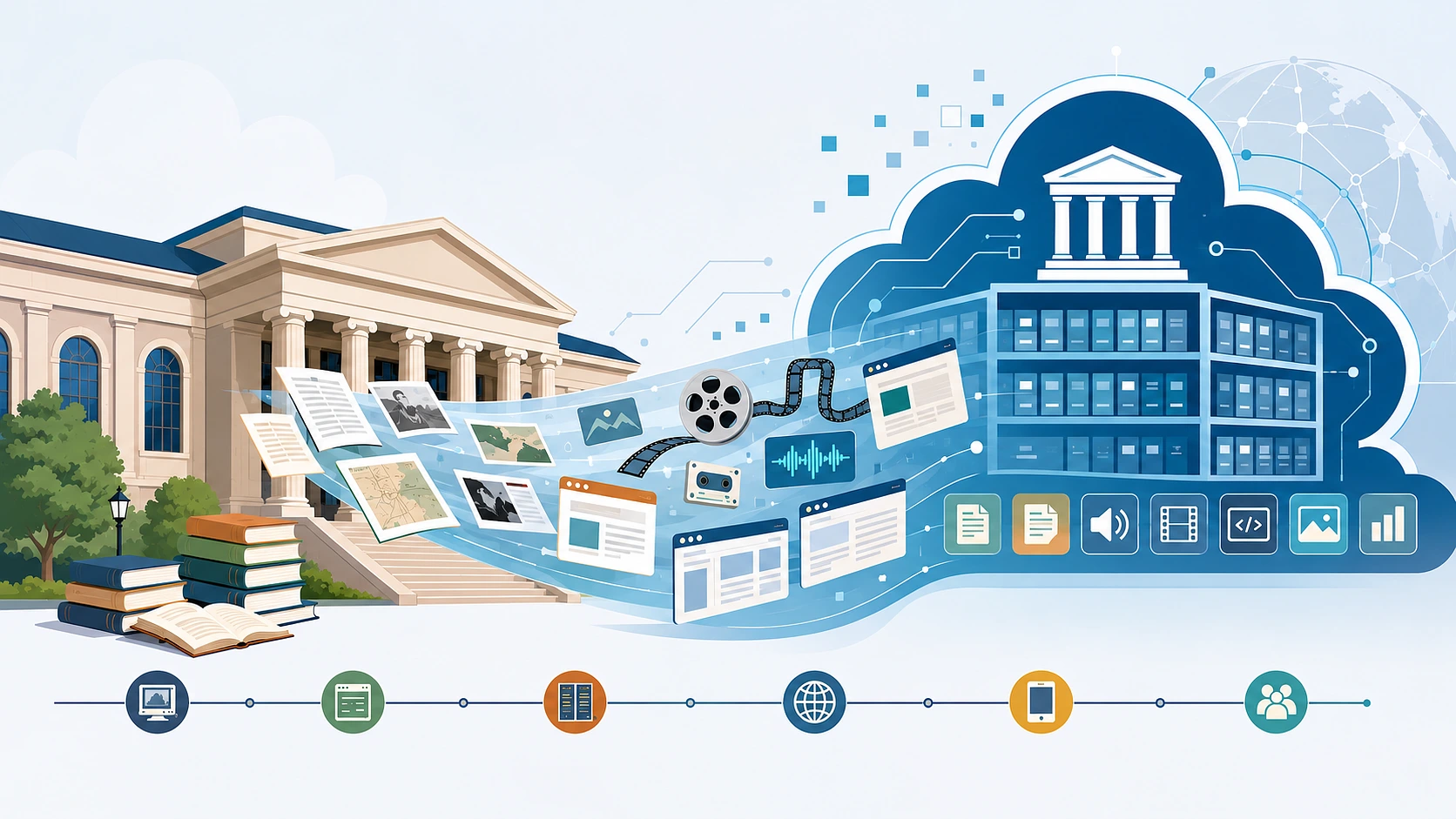
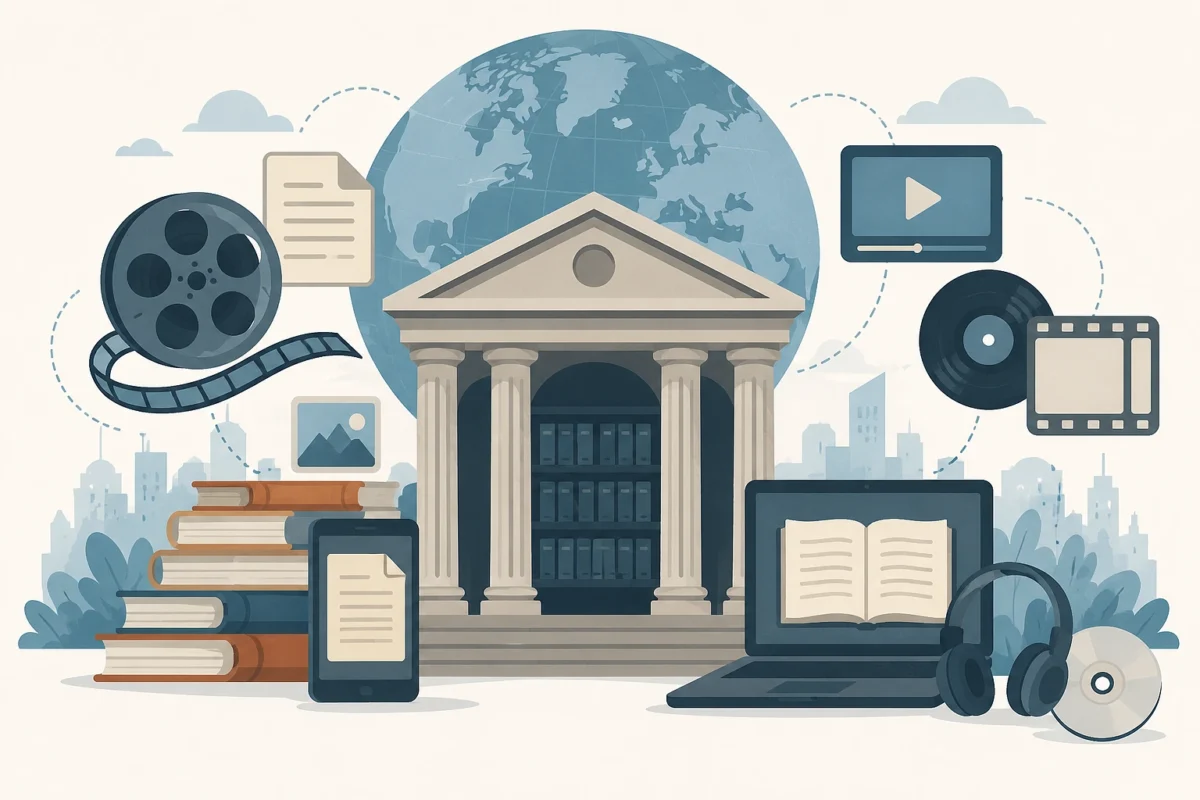
The Internet Archive has changed the way we think about libraries. Instead of rows of shelves with materials limited by geography, the Internet Archive offers a vast digital collection that brings books, websites, music, films, software, and other historical materials together online. the Internet Archive is not just about storing digital files. It’s about keeping pieces of the internet and human culture safe that could disappear as technology and websites change.
From Internet Experiment to Digital Library
The Internet Archive was founded in 1996 by Brewster Kahle so it could provide lasting access to digital information. One of its most memorable projects is the Wayback Machine, a website that lets people go back and look at older versions of web addresses.
Timing was everything. The World Wide Web was expanding quickly, and websites were mutable or even ephemeral, with no physical trace of their existence. The Wayback Machine was able to capture and store the ever-changing environment. Today, it remains one of the most familiar tools for exploring the history of the internet.
Why Web Preservation Matters
Digital information may appear to be eternal due to its ability to be easily copied and shared. In fact, websites vanish, domain names change, and web material is often revised or even deleted. With the help of the Wayback Machine, it is possible for researchers, reporters, companies, and anyone interested to get access to the past internet.
Web archives also reveal how historical events were covered online as they unfolded. For instance, cultural institutions like the Smithsonian have used web archives to study how popular sites looked and worked during the early days of the internet.
Building a Library Beyond Books
Originally, the Internet Archive was created to archive the web, but its purpose has since expanded well beyond websites. Now there are digitized books, audio, video, images, software, and other types of rare media housed there.
A major part of this work involves turning physical materials into digital formats. Books that might be difficult to access because of age, fragility, or location can be scanned and made available online when copyright and access rules permit.
The organization has worked with libraries and cultural institutions on digitization projects, helping preserve materials while providing access to a much wider audience. This approach effectively extends the reach of physical libraries into the digital world.
The Internet Archive’s Most Essential Resources
The Internet Archive is useful because of the materials that comprise it. Some of the most recognizable resources that power it include:
The Wayback Machine
Digitized books
Digital historical texts
Audio recordings, podcasts, and other sound collections
Movies, television recordings, and videos
Computer games
Archived software
Open Library
What the Internet Archive Means for the Future
The Internet Archive shows how preservation is changing in the digital age. Websites, software, and online content can change or disappear quickly, making long-term access challenging. Digital archives help preserve these materials while giving people new ways to explore history and culture, though legal disputes and funding pressures pose real challenges to keeping them available long term.
Digital preservation also connects with online security. As more information moves online, understanding how attackers can intercept digital interactions is increasingly valuable. Learning what is AitM can help users recognize how attackers may position themselves between a person and a legitimate online service.
Topic
Details
Title
How the Internet Archive Became the World’s Largest Library
Founded
1996 by Brewster Kahle
Main Purpose
Preserve digital information and internet history
Best-Known Tool
Wayback Machine
Main Collections
Websites, books, movies, audio, software, games, and images
Books
More than 2.5 million full-text e-books are available
Why It Matters
Helps protect websites and media that may disappear or change
Digital Preservation
Converts physical and digital materials into long-term accessible formats
Key Projects
Wayback Machine, Open Library, digitized books, media archives
Future Importance
Preserves online culture, history, software, and media for future generations
Main Challenges
Copyright disputes, funding, storage, and changing technology
A Library for the Digital Age
The Internet Archive is no longer a niche name we hear once in a while. It has become one of the most important digital spaces for finding free books, recordings, software, and other media. It’s a real display of how the internet has evolved over time. Its greatest importance probably lies in that preservation. As we move towards a more digitalized world, protecting what was and what is will become critical.